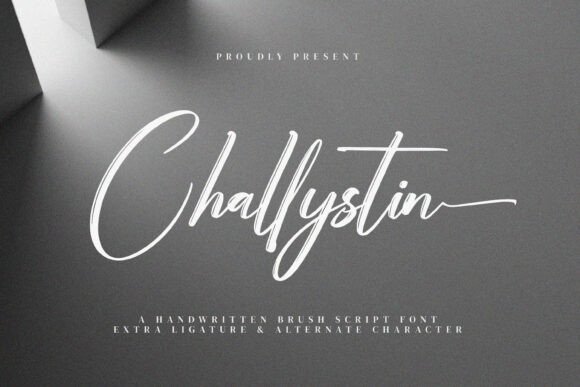
Astonilla: A Brush Script Font for Modern Web Design
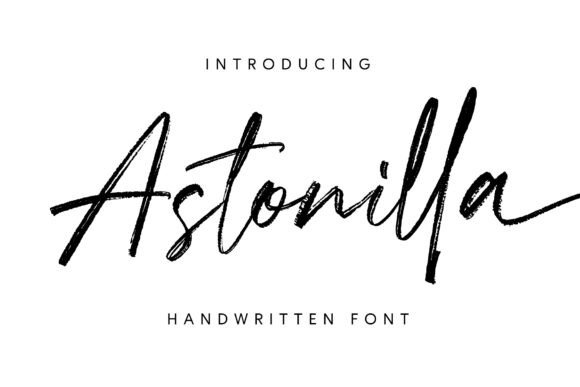
In the fast-paced world of digital product creation, typography is often the first element that establishes a connection with the user. As web designers and UI specialists, we constantly search for typefaces that balance personality with performance. Astonilla emerges as a compelling solution for those looking to inject authenticity into their layouts. This brush handwritten script font offers a unique blend of elegance and creativity, making it an ideal choice for brands that want to feel human in an increasingly automated digital landscape.
When integrating a script font like Astonilla into a website or app interface, the goal is never just decoration; it is about establishing a specific tone of voice. Unlike rigid geometric sans serifs that scream efficiency, a handwritten font invites the user closer, suggesting craftsmanship and personal attention. Astonilla captures this sentiment perfectly. Its strokes mimic the natural flow of a brush, providing organic variation that feels alive on the screen. For digital creators, this means the difference between a generic template and a bespoke brand experience.
Elevating Visual Hierarchy in Digital Layouts
One of the most critical challenges in web design is guiding the user's eye through content effectively. Astonilla excels as a display font for hero sections, landing page headers, and call-to-action areas. Because of its distinctive character, it naturally draws attention without needing excessive size or bold weights. When placed above a clean, readable body copy, it creates a strong visual hierarchy that helps users scan the page and identify key messages instantly.
Consider a coaching website or a course sales page. The headline needs to convey empathy and expertise simultaneously. Using Astonilla for the main value proposition can soften the sales pitch, making it feel more like an invitation than a demand. In contrast, using it for long paragraphs would hinder readability. The sweet spot for this typeface lies in short phrases, section headings, and decorative accents where its artistic flair can shine without overwhelming the user.
- Hero Sections: Use Astonilla to create an immediate emotional impact on the homepage.
- Call-to-Action Buttons: Ideal for buttons that need to stand out, such as "Join Us" or "Get Started," provided the text is short.
- Testimonials: Highlighting customer quotes in Astonilla adds a layer of personal endorsement.
- Logo Design: Perfect for boutique online stores or creative portfolios needing a custom logotype.
Strategic Font Pairing for Brand Identity
A common mistake in editorial design and web layouts is pairing two complex fonts. Since Astonilla is a dynamic brush font, it requires a stable partner to maintain legibility and professional polish. The most effective strategy is to pair it with a neutral sans serif font. A geometric or humanist sans serif provides the necessary structure for body copy, navigation menus, and data tables, allowing Astonilla to serve as the expressive highlight.
Alternatively, for a more sophisticated or editorial digital identity, you might pair Astonilla with a modern serif font. This combination works exceptionally well for lifestyle blogs, fashion e-commerce sites, or luxury product landing pages. The serif adds a touch of tradition and authority, while the script brings warmth and approachability. This duality helps build brand trust, signaling that the company is both established and accessible.
For example, imagine a digital agency portfolio. The project titles could be rendered in Astonilla to showcase creativity, while the case study details are set in a crisp, legible sans serif. This contrast ensures that the site remains easy to navigate while still reflecting the agency's artistic capabilities. It is all about finding the right rhythm between the decorative and the functional.
Optimizing Readability Across Devices
In today's mobile-first environment, testing how a creative font renders on small screens is non-negotiable. Brush scripts can sometimes lose definition on low-resolution displays or when scaled down too far. When using Astonilla in responsive layouts, ensure that the font size is large enough to preserve the integrity of the brush strokes. On mobile devices, avoid using it for anything smaller than a sub-heading unless the stroke weight is sufficiently thick.
Contrast is another vital factor. Astonilla performs best against solid backgrounds or images with ample negative space. If placing the text over a busy photograph, consider adding a subtle overlay or shadow to ensure the handwritten details do not get lost. For dark mode interfaces, verify that the white or light-colored version of the font maintains its thickness and does not appear too thin or fragile. These small adjustments significantly impact user engagement and accessibility.
Practical Applications for Conversion-Focused Designs
Beyond aesthetics, typography plays a role in conversion optimization. A well-chosen premium font can influence how users perceive the value of a product. For online store owners, using Astonilla on banner graphics and promotional badges can create a sense of urgency and exclusivity. It suggests that the products are curated or handmade, which can justify a higher price point and increase perceived value.
SaaS founders and app developers can also leverage this typeface to humanize their technology. In onboarding screens or welcome messages, a touch of handwriting can make the software feel less cold and more supportive. However, consistency is key. Once you decide to use Astonilla for specific elements like headers or buttons, apply it consistently across all design assets, from social media graphics to email newsletters, to reinforce brand identity.
Before implementing Astonilla in client projects or commercial products, it is essential to review the licensing terms. Most commercial fonts require specific licenses for web embedding, especially if the site has high traffic or is part of a SaaS platform. Ensure you have the correct file formats, such as WOFF or WOFF2, for optimal web performance. Check for multilingual support if your audience is global, and explore any included alternates or ligatures that can add further uniqueness to your logo design or headings.
Ultimately, Astonilla represents more than just a set of characters; it is a tool for storytelling. By thoughtfully integrating this script font into your digital ecosystems, you can create experiences that resonate on an emotional level. Whether you are designing a landing page for a new product launch or refreshing the visual identity of an existing brand, the right typography bridges the gap between the screen and the user. With its blend of elegance and authenticity, Astonilla empowers designers to craft interfaces that are not only visually stunning but also deeply engaging.